
Iona National Park
Angola’s Iona National Park protects a parched landscape that has been shaped by water. Exceptional diversity and thriving ecosystems offer an engaging escape from the everyday.
Experience Iona National Park
Iona’s landscapes are far more dynamic than they initially appear, with plants, animals and humans all having adapted to survive seasons of scarcity, and contrasting, periodic abundance.
The seemingly unforgiving environment has inspired richly expressive cultures, while ecosystems flourish amidst the mosaic of rugged mountains, savannah grasslands, estuarine wetlands, miombo woodland and rocky plains.
Permanent and ephemeral rivers demarcate a landscape unlike almost any other. With its riverine forest, grasslands and desert, Iona has been described as being many parks in one.
Iona is a place of remarkable contrasts, where sand dunes march down to the sea and palm trees grow alongside rushing torrents of water.
Day visitors and Campsites
Day visits to Iona National Park are only realistic via the Punta Albina gate. Please download the Iona FAQ document to read essential advice and rules regarding the park.
Cultural Visits
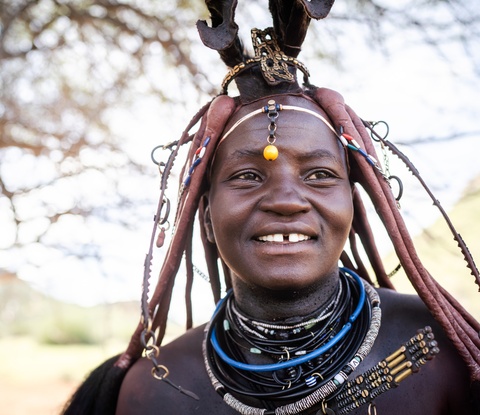
Discover the traditions, history, and daily life of the communities who have made this desert their home for generations. Cultural visits are conducted with mutual respect and consent; you are requested to seek permission before taking photographs and pay a small fee for this.
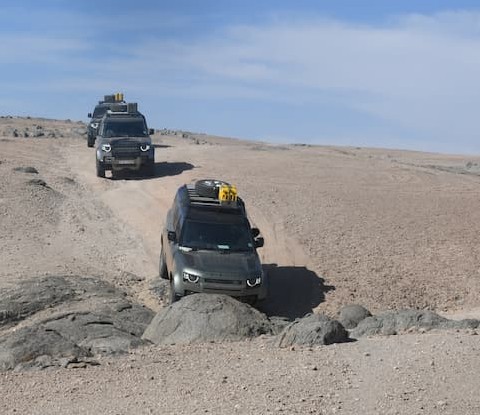
4 x 4 Driving
Iona’s gravel and sand tracks offer a rewarding challenge for 4 x 4 self-drivers, with sudden changes in vegetation and landscape making each kilometre a new experience.
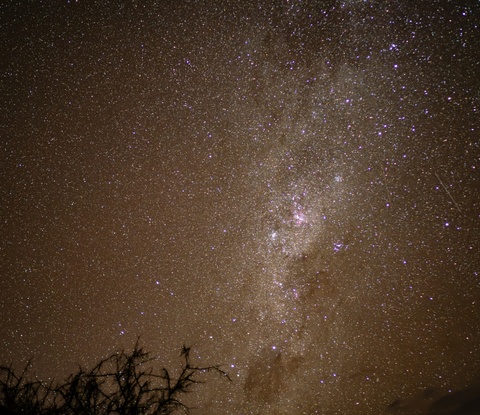
Camping under the stars
Thanks to the almost complete absence of light pollution, Iona offers exceptional star-gazing, adding an extra layer of magic to evenings around the campfire and nights under canvas.
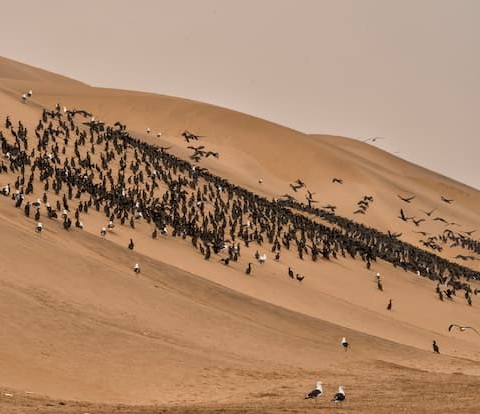
Birdwatching
The diversity of habitats found within Iona National Park is reflected in the variety of birds found here, including pelagic and inshore species on the coast, and desert-adapted birds further inland.
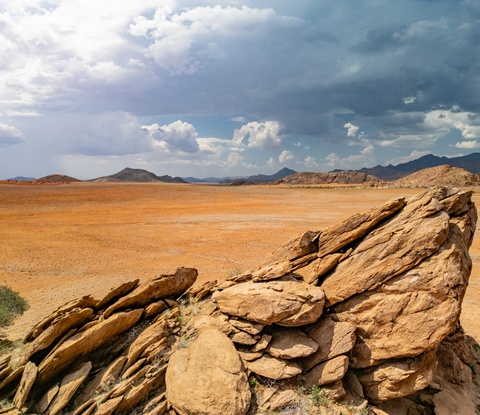
Geology
Iona features a remarkable degree of geological diversity, with shifting sand dunes, gravel plains and ancient mountain escarpments. It’s a geologist’s – and a photographer’s – dream, with shifting shadows, lucid light, and organic shapes of every description.

Where We Are
Iona National Park is located in south-western Angola, immediately to the north of the border with Namibia, and along the Atlantic coast.

Getting Here
Iona can only be accessed by 4 x 4 vehicles, either from northern Angola, or Namibia and South Africa by using remote border crossings.

The Weather
Iona’s weather can change dramatically from season to season, and temperatures can vary significantly between day and night. Rainfall is sparse, seasonal and unreliable.
Where to Stay
Iona National Park offers camping at designated campsites chosen for their natural beauty and diverse settings.
Choose between campsites without facilities in community areas, including Etamba, Mukutu, Cambeno and Tchinhungua, or more remote locations such as Ponta Albina, Vanessa, Oasis, Cunene and the Cunene River Mouth.
Day visitors and Campsites
Day visits to Iona National Park are only realistic via the Punta Albina gate. Please download the Iona FAQ document to read essential advice and rules regarding the park.
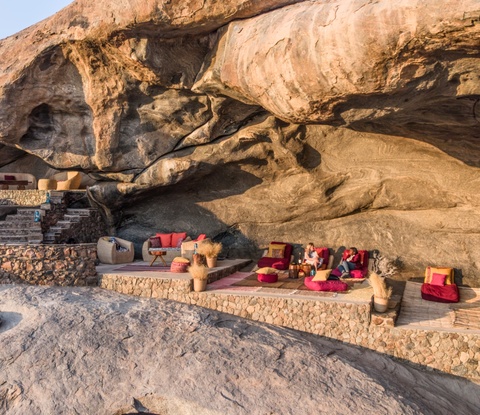
Gruta do Leão Camp
This safari camp, close to Espinheira, offers all-inclusive, catered accommodation for up to 15 guests in five en-suite tented units, each with a double and a single bed.
About Iona National Park

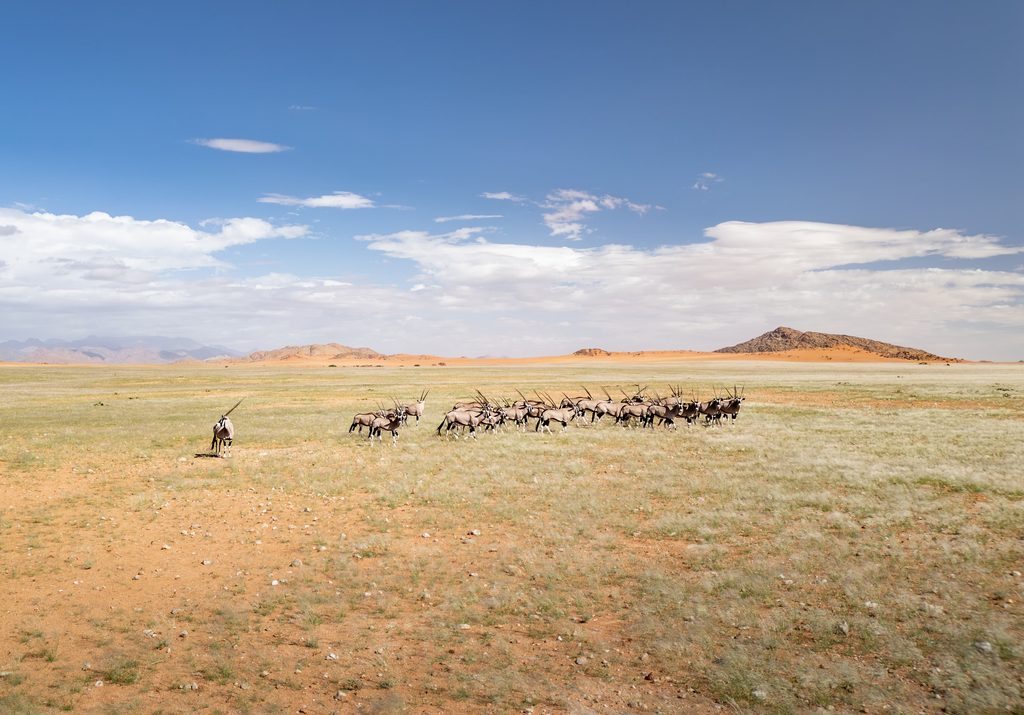
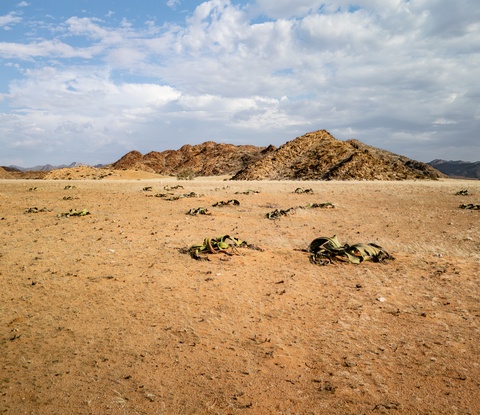
IIona is a place of immense, untapped potential. Ancient landscapes, inhabited by semi-nomadic people for centuries, invite exploration and create an authentic sense of wonder. Iona’s starkly beautiful terrain is home to species ranging from otherworldly welwitschia plants to more familiar springbok and oryx antelope.
Seemingly endless stretches of sand and almost infinite gravel plains give way suddenly to rocky mountains, sinuous dry riverbeds, or precipitous valleys. And then there is the permanent Cunene river: rushing water fringed by lush vegetation and swaying palm trees, where birdsong can be heard over the sound of the rapids.
The sudden appearance of flowing water or reedbeds provides a remarkable contrast with the arid landscape, and further highlights Iona’s ability to surprise at every turn.